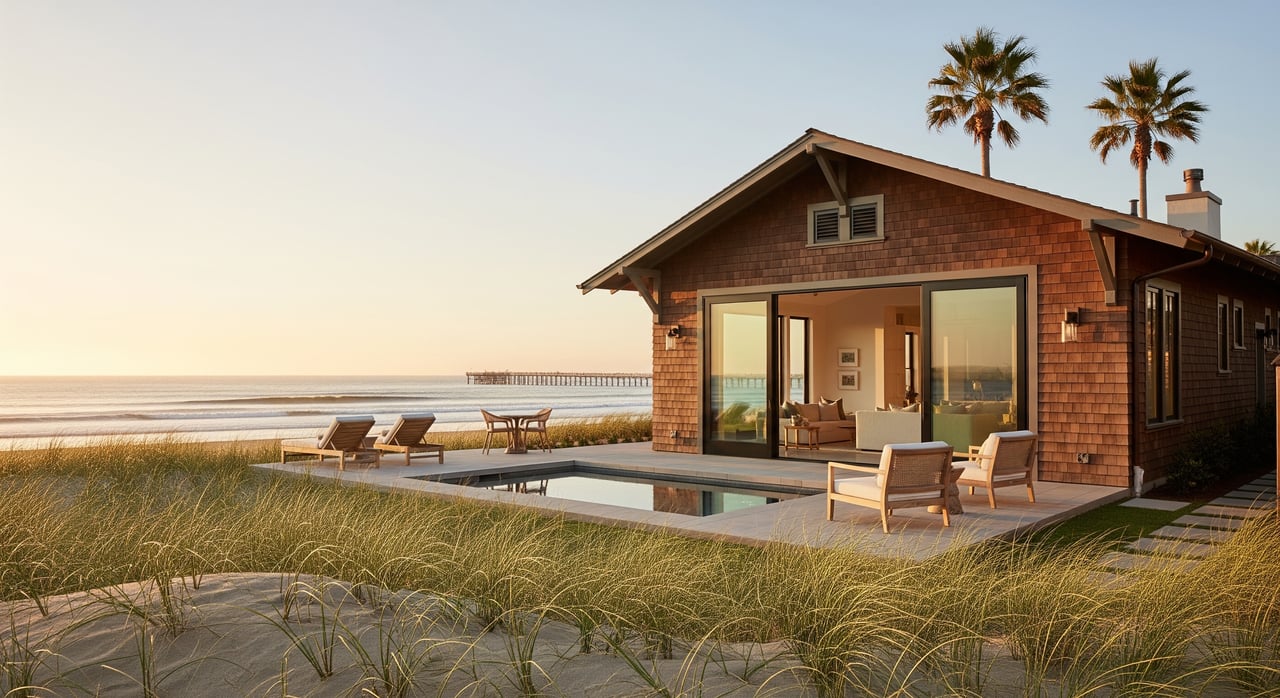
If you picture morning surf checks, sunset walks, and coffee on a lively main street, Ocean Beach might be your spot. You want a coastal neighborhood that feels laid-back but connected, with real day-to-day convenience and character. In this guide, you’ll learn what daily life looks like in OB, from beaches and parks to local shops, schools, and practical logistics. Let’s dive in.
Ocean Beach vibe at a glance
Ocean Beach is a compact, walkable coastal neighborhood with a strong surf-and-beach culture. You’ll find a small-town feel shaped by independent businesses and community pride. Most streets feature low-rise homes and cottages, with a pedestrian-friendly core near the water. The vibe is casual and creative, with a mix of long-term residents, younger adults, families, and retirees.
Beaches, pier, and cliffs
The Ocean Beach Pier is a neighborhood anchor for fishing, strolling, and sunset views. It draws locals daily and adds a classic coastal landmark to the skyline. South of the river mouth, Ocean Beach Dog Beach offers off-leash play and a social scene for pets and their people. Just to the south, Sunset Cliffs Natural Park is popular for walking the bluffs, taking photos, and catching golden-hour light.
Everyday amenities on Newport Avenue
Newport Avenue is OB’s main street, lined with independent cafés, casual restaurants, surf and vintage shops, and small markets. A year-round farmers market brings fresh produce and a weekly community meetup. Evenings are lively with low-key bars and live music venues. Most options are casual and local, which adds to OB’s distinct personality.
Parks and active lifestyle
You can stay active without leaving the neighborhood. Robb Field Recreation Center offers athletic fields, a skatepark, and community programs. Beachfront promenades and short blocks make walking and easy bike rides part of daily life. Surfing, swimming, pier fishing, and coastal wildlife viewing are common routines, and nearby Cabrillo National Monument and Point Loma add hiking and tidepool adventures a short drive away.
Homes and architecture
OB’s housing stock includes post-war bungalows, Craftsman cottages, small multi-family buildings, and low-rise condos. Many homes are older, and some keep their original character while others have been remodeled. A local preference for preserving neighborhood scale means limited high-rise development. Like other San Diego coastal areas, housing costs tend to be higher than many inland neighborhoods, and inventory can be tight.
Getting around and parking
Ocean Beach sits roughly 5 to 8 miles from downtown San Diego, with typical drives depending on traffic and destination. Bus routes connect OB to other parts of the city, but there is no direct trolley service. Within the core, you can walk or bike to many daily needs. Expect parking to be competitive near the beach and along commercial streets, especially on summer weekends.
Schools and services
Ocean Beach is within the San Diego Unified School District. School boundaries and program offerings can change, so it’s smart to review official district resources when planning. Childcare and preschool options exist in OB and nearby communities, and availability can be competitive in beach neighborhoods. Local clinics and urgent care are nearby, with major hospitals in surrounding areas like Point Loma, Hillcrest, and La Jolla.
Who OB fits best
Young, active lifestyle
- You want early surf sessions, café work breaks, and music at night. Priorities: walkability and beach access.
- Trade-offs: smaller spaces and some nightlife noise near commercial blocks.
Families with school-age kids
- You’re looking for parks, beach time, and short trips to school and activities. Priorities: proximity to recreation and calmer residential streets.
- Trade-offs: smaller yards and limited single-family options close to the water.
Remote workers and creatives
- You value a home office setup, good internet, and short walks for a midday reset. Priorities: neighborhood cafés and outdoor breaks.
- Trade-offs: some services and big-box retail may require a short drive to adjacent areas.
Retirees and downsizers
- You want easy daily walks, errands on Newport Ave, and a social rhythm at your pace. Priorities: low-maintenance homes and access to healthcare.
- Trade-offs: many buildings are older and may lack elevators; some homes may need updates.
Pros and trade-offs
Pros
- Easy access to beaches, surf, and outdoor recreation.
- Walkable commercial core with independent shops and cafés.
- Distinct identity with active community engagement.
- Dog-friendly spaces and an iconic pier.
Trade-offs
- Higher housing costs compared with many inland neighborhoods.
- Visitor traffic and parking congestion in peak seasons.
- No direct trolley service; many commutes rely on driving or bus connections.
- Older properties may need updates and coastal maintenance.
Special considerations
- Coastal exposure can affect flood risk and insurance availability. Review flood zones and coastal hazard assessments during due diligence.
- Zoning and future development follow the City of San Diego’s community planning process. Expect a focus on preserving low-rise character, with potential for targeted infill.
Buyer tips for exploring OB
- Visit at different times. Compare weekday mornings, weekend afternoons, and evenings to gauge traffic, noise, and parking.
- Walk from the pier to Newport Ave and through side streets. Notice how each block feels and where you’d run daily errands.
- Test your commute. Try your typical route during normal hours. If you rely on transit, check bus timings.
- Check property condition. Older homes may need upgrades for systems, seismic resilience, and coastal wear.
- Verify coastal risks and insurance. Review relevant maps and speak with your insurance provider early.
- Ask about parking and storage. If you have multiple cars, confirm street rules and any on-site options.
- Track the market pace. Inventory can be limited, so plan for quick decisions when the right home appears.
Considering a second home or STR
OB’s beach setting draws interest from second-home buyers and investors. Regulations for short-term rentals are set by the city, and licensing and compliance can change. If an STR is part of your plan, map out viability, licensing steps, revenue projections, and management needs before you buy. A clear strategy up front helps you protect value and meet local rules.
Ready to see if Ocean Beach fits your life? Connect with Emily Schaefer for a personalized, local walkthrough of the neighborhood and a plan tailored to your goals.
FAQs
What is the lifestyle like in Ocean Beach, San Diego?
- A laid-back, walkable coastal scene with surf culture, independent shops on Newport Ave, and daily life centered around the beach and pier.
Where are the main beach and pier highlights in Ocean Beach?
- The Ocean Beach Pier anchors the waterfront for fishing and sunsets, Dog Beach offers off-leash access, and nearby Sunset Cliffs is a favorite for walks and views.
How walkable is Ocean Beach and what about parking?
- The commercial core and beachfront are very walkable for daily errands, while parking near the beach and main streets can be tight, especially on summer weekends.
What housing types are common in Ocean Beach, San Diego?
- Mostly low-rise homes such as bungalows and cottages, small multi-family buildings, and low-rise condos, with many older properties that may have been remodeled.
How do commutes from Ocean Beach typically work?
- Many residents drive to job centers, with downtown roughly 5 to 8 miles away, while bus routes provide transit connections but no direct trolley service.
Are there schools and childcare options in Ocean Beach?
- OB is within San Diego Unified School District, with nearby childcare options; boundaries and availability can change, so review current district and provider information.
What are the main pros and trade-offs of living in Ocean Beach?
- Pros include beach access, walkability, and a strong community identity; trade-offs include higher coastal housing costs, visitor traffic, and older housing stock.